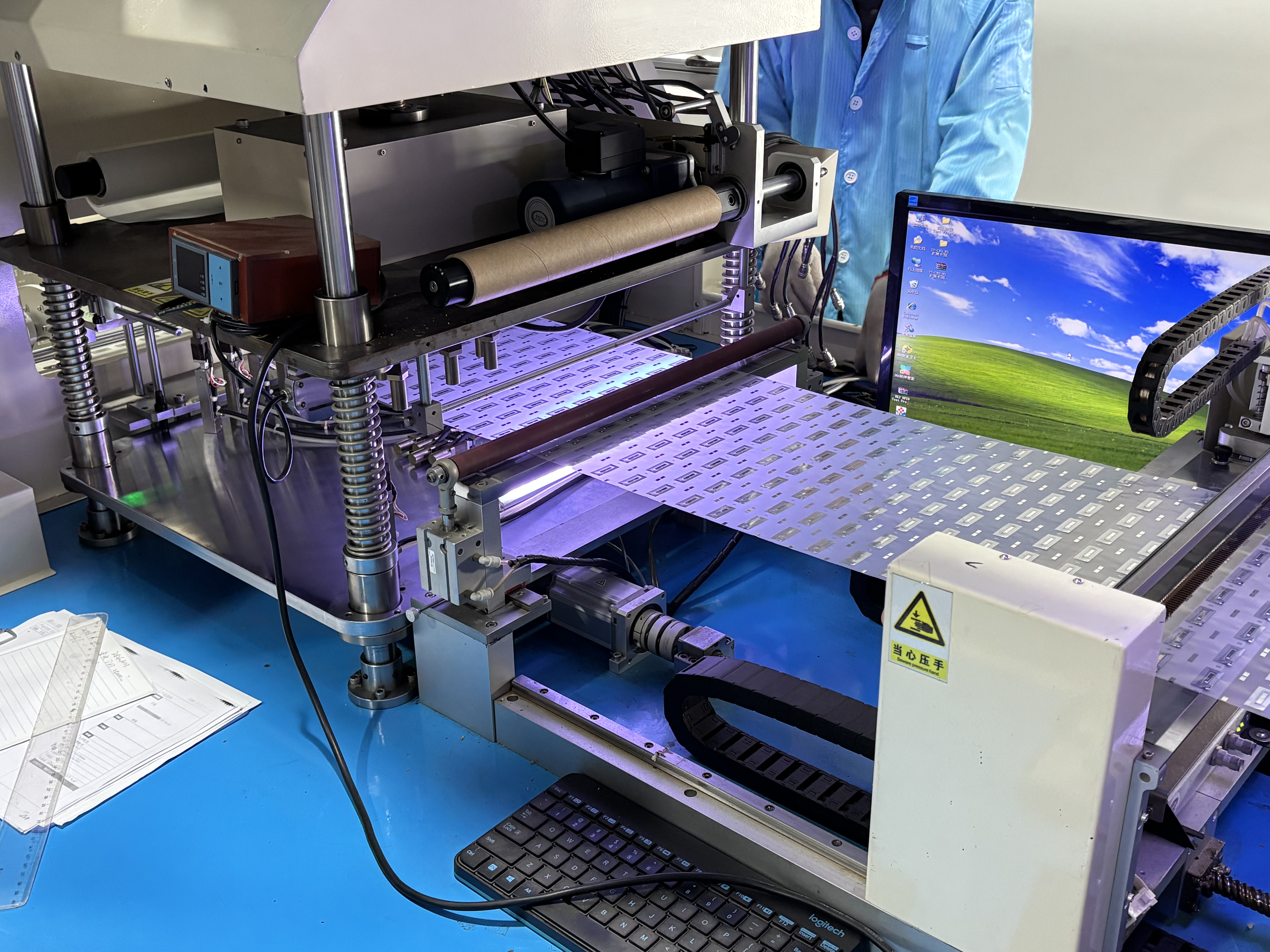
Custom Chip Cards Explained: Contact IC, NFC And RFID Smart Cards


Custom Chip Cards Explained: Contact IC, NFC and RFID Smart Cards
Smart cards have become an essential part of modern identification, access management, membership programs and digital interactions. By integrating an electronic chip into a durable card body, businesses can improve identification efficiency, simplify daily operations and support more convenient user experiences.
However, not all chip cards work in the same way. Contact IC cards require physical contact with a compatible reader, while NFC and RFID cards communicate wirelessly. Choosing the right technology is essential for ensuring compatibility, functionality and reliable performance.
As a professional card manufacturer, XINHEBAO provides customized chip card solutions for different industries, including contact IC cards, NFC cards, RFID smart cards and hybrid card configurations.
This guide explains the key differences between these technologies, their common applications and the customization options available for your next smart card project.
1. What Are Custom Chip Cards?
Custom chip cards are cards that contain an integrated electronic chip designed to store data, identify users, support authentication or communicate with compatible devices.
Depending on the required function, a chip card may use a contact interface, contactless communication technology or a combination of both.
PVC is a popular material for finished chip cards because it supports full-color printing, personalization and practical everyday use. Other materials, including PET, PETG and ABS, can also be considered according to the application and production requirements.
Common customization options include:
Card material and dimensions
Chip type and memory configuration
Full-color CMYK offset printing, UV printing or silk-screen printing
Glossy, matte or frosted surface finishes
UID, serial number, QR code and barcode personalization
Chip encoding and data personalization
Magnetic stripes, signature panels and other optional features
Individual sleeves, bulk packaging or customized packaging
The right configuration depends on the intended application, reader compatibility, data requirements and expected production volume.

2. Contact IC Cards, NFC Cards and RFID Cards: What Is the Difference?
Although contact IC, NFC and RFID cards all use electronic chip technology, their communication methods and applications are different.
Contact IC Cards
Contact IC cards contain a visible metallic contact module on the card surface. To communicate with a compatible reader, the card must be inserted into a card reader or placed against its electrical contacts.
These cards are suitable for applications that require a physical card-reader connection, including certain identification, authentication and payment-related systems.
Common chip options include 24C02, SLE4442, AT24C series and other compatible contact IC chips, depending on the project requirements.
NFC Smart Cards
NFC stands for Near Field Communication. NFC cards use short-range wireless communication, allowing them to interact with compatible NFC readers and supported mobile devices.
They are widely used for digital business cards, access control, customer engagement, loyalty programs and smart identification.
Available chip options may include NTAG213, NTAG215 and NTAG216. The appropriate choice depends on memory capacity, application requirements and compatibility with the intended devices.
RFID Smart Cards
RFID stands for Radio Frequency Identification. RFID cards use radio waves to communicate with compatible readers without requiring direct electrical contact.
Depending on the frequency, chip and system configuration, RFID cards can support employee identification, attendance management, building access, transportation and membership applications.
Common options include MIFARE Classic, MIFARE Ultralight, TK4100, EM series and ICODE series. Not every chip is interchangeable, so the reader's operating frequency and protocol should be confirmed before production.
Hybrid Chip Cards
Hybrid cards combine multiple chip technologies or interfaces in one card when a project requires compatibility with different systems.
For example, a card may be designed to support both contact and contactless functionality. The actual configuration depends on the selected chips, card construction and reader requirements.
3. Contact IC vs. NFC vs. RFID: A Quick Comparison
Feature | Contact IC Card | NFC Card | RFID Card |
|---|---|---|---|
Communication | Physical electrical contact | Short-range wireless communication | Radio-frequency communication |
Reader connection | Card contacts must connect to a compatible reader | Compatible NFC reader or device | Compatible RFID reader |
Typical applications | Authentication and selected payment systems | Digital business cards, access and loyalty | Attendance, access, transport and identification |
Chip options | 24C02, SLE4442, AT24C series | NTAG213, NTAG215, NTAG216 | MIFARE, TK4100, EM and ICODE series |
Customization | Printing, personalization and encoding | Printing, chip selection and data configuration | Printing, chip selection and encoding |
Main consideration | Contact interface and system compatibility | NFC compatibility and memory requirements | Frequency, protocol and reader compatibility |
Important: NFC is a type of high-frequency contactless communication technology within the broader RFID family. Not every RFID card supports NFC, and not every card works with every reader.
Before placing an order, confirm the reader model, operating frequency, communication protocol and required card functions.

4. Applications of Custom Chip Cards
Custom chip cards can support a wide range of business and institutional applications.
Access Control and Security
Contactless smart cards can be used for employee access, building entry, hotel access and other compatible access control systems. The selected chip must match the reader and the security requirements of the application.
Employee ID and Attendance Management
RFID cards can help businesses identify employees and record attendance through compatible systems. Custom printing can incorporate company logos, employee photos, identification numbers and other relevant information.
Membership and Customer Loyalty
Gyms, hotels, retail stores, clubs and service providers can use customized chip cards for membership identification, loyalty programs and customer management.
Education and Campus Management
Schools, colleges and universities can use smart cards for student identification, library services, campus access and other compatible applications.
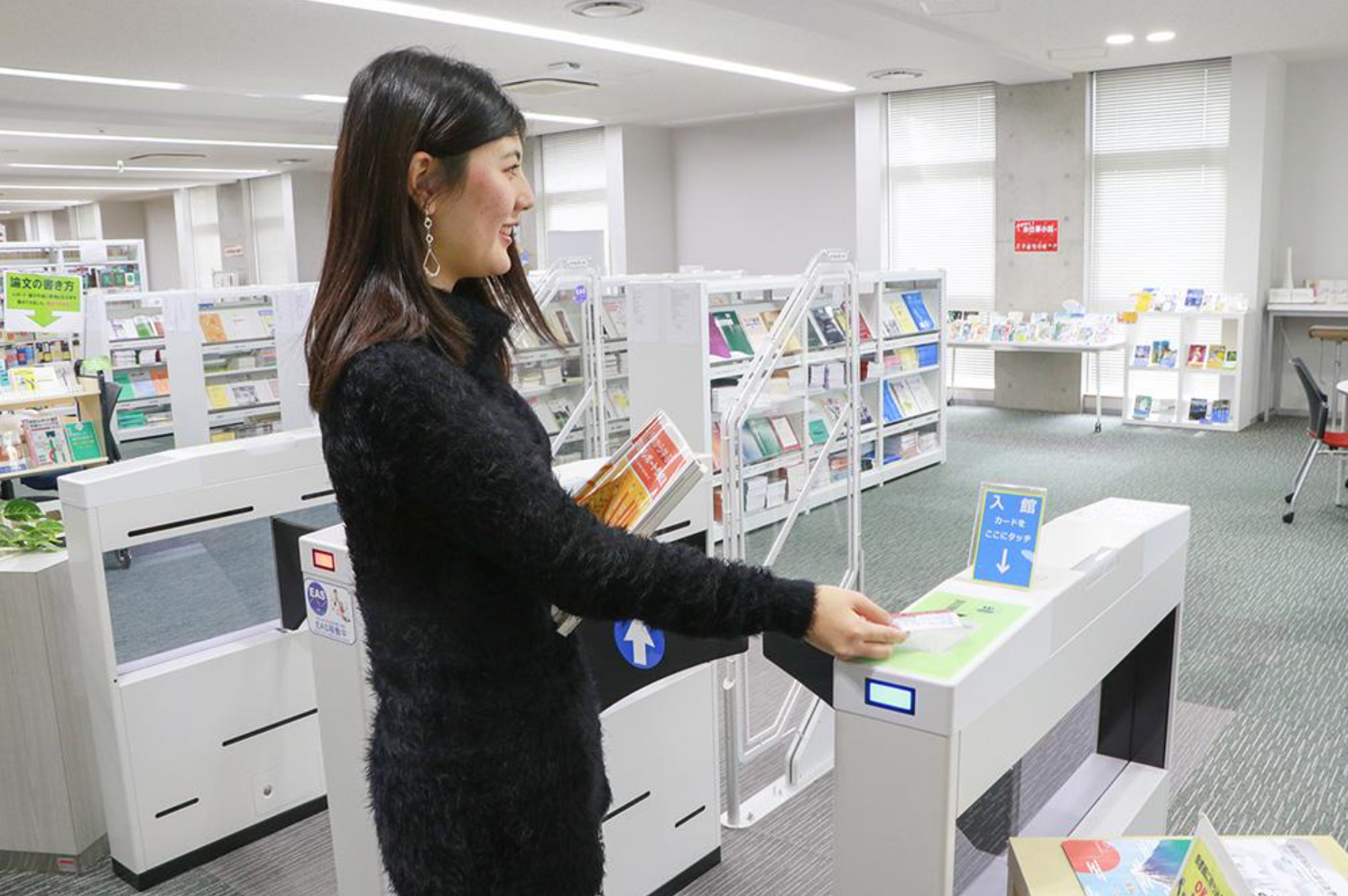
Transportation and Ticketing
Contactless cards can support transportation and ticketing systems when the card technology meets the requirements of the relevant readers and operating infrastructure.
Healthcare and Enterprise Identification
Hospitals, clinics and businesses may use smart cards for patient identification, staff identification and controlled access. Any storage or processing of sensitive information should follow the applicable security and privacy requirements.
The best card solution depends on the existing infrastructure and the function the card needs to perform.

5. How to Choose the Right Chip for Your Project
Selecting a chip is one of the most important steps in smart card customization. A card with the wrong chip may not communicate with the intended reader, even if its size and appearance are correct.
Consider the following factors before confirming your specifications.
1. Reader Compatibility
Provide the reader model, operating frequency or technical documentation whenever possible. These details help determine which chips and communication protocols are suitable.
2. Required Functionality
Decide whether the card is intended for identification, access control, NFC interaction, data storage, authentication or another specific function.
3. Memory and Data Requirements
Some projects require only a unique identifier, while others need additional memory or particular data-handling capabilities. Select a chip based on the actual requirements rather than assuming all chips provide the same functions.
4. Security Requirements
For applications involving access privileges, authentication or sensitive data, consider the chip's security capabilities and the overall system design. The security level depends on the complete implementation, not simply the presence of a chip.
5. Production and Personalization
Confirm whether the cards need UID printing, serial numbers, QR codes, barcode printing or chip encoding before shipment. Encoding requirements and data formats should be agreed upon before mass production.
If you are unsure which chip to select, share your reader specifications and application details with XINHEBAO for a suitable recommendation.
6. Customization Options for PVC Smart Cards
A well-designed smart card should combine the right electronic functionality with the appropriate physical construction and visual appearance.
XINHEBAO offers flexible customization options for different smart card projects.
Card Materials and Dimensions
PVC is a common choice for standard smart cards. PET, PETG and ABS may also be considered according to the intended application and manufacturing requirements.
The standard CR80 card size is approximately 85.5 × 54 mm, with a typical thickness of 0.76 mm. Other sizes and thicknesses may be available for specific projects.
Printing and Surface Finishes
Card designs can include company logos, brand colors, text, identification photos, serial numbers and other artwork.
Available printing and finishing options may include:
CMYK offset printing
UV printing
Silk-screen printing
Glossy, matte or frosted finishes
UV coating
Holographic features or hot stamping, where suitable
Personalization and Encoding
Depending on the selected card technology, customization may include UID or serial number printing, QR codes, barcodes, variable data, chip encoding and laser engraving.
Optional features such as magnetic stripes, signature panels and customized packaging can also be discussed during project planning.
OEM and ODM Production
For distributors, card manufacturers, brands and system integrators, OEM and ODM production allows card specifications and appearance to be tailored to project needs.
From samples and trial orders to mass production, the card configuration should be confirmed before manufacturing begins.
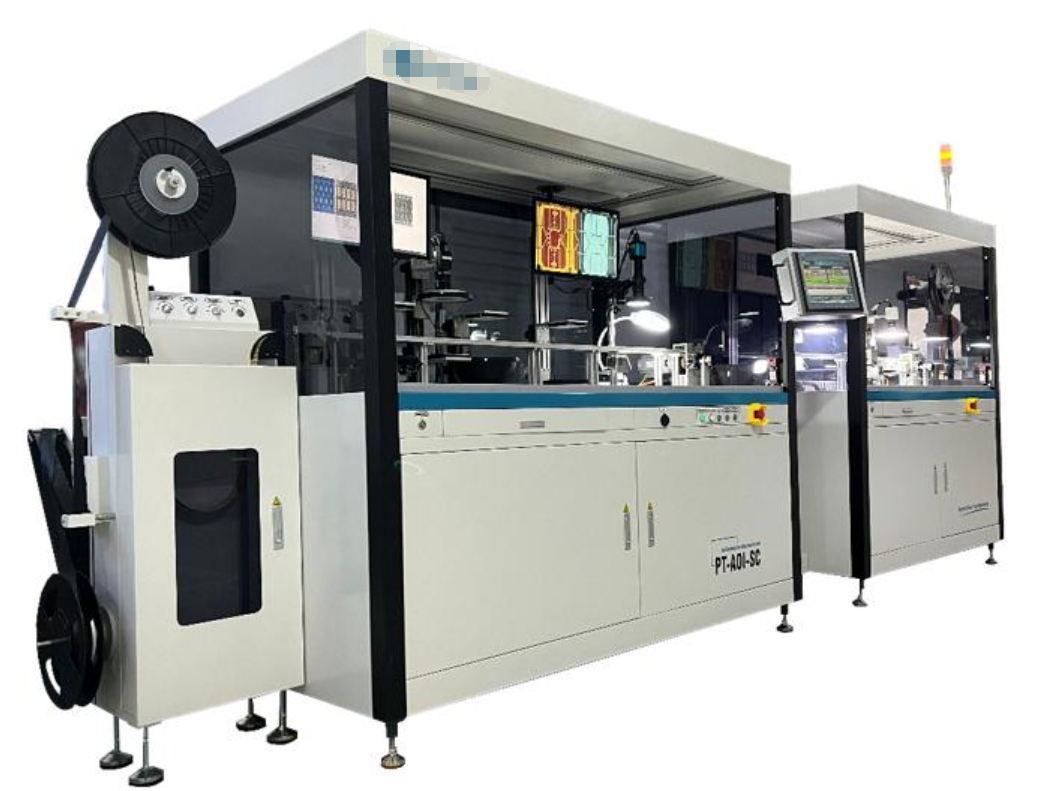
7. Quality Control for Reliable Smart Card Production
Consistent quality is essential for smart cards used in access control, identification and daily business operations.
A suitable inspection process may include:
Raw material and card construction checks
Card dimensions and thickness inspection
Chip positioning and embedding inspection
Printing and surface appearance inspection
NFC/RFID read and write testing, where applicable
Encoding and personalization verification, when required
Durability checks and final batch inspection
The specific testing plan can be adjusted according to the card design, chip type, order requirements and intended application.
For projects with special technical or compliance requirements, testing criteria should be agreed upon before mass production.
8. Why Choose XINHEBAO for Custom Chip Cards?
XINHEBAO supports customers looking for customized finished cards and related card manufacturing materials.
Card Industry Experience
With more than 15 years of experience in the card industry, XINHEBAO supports a range of card materials, inlays and finished card solutions.
Flexible Customization
Card materials, dimensions, chip options, printing, personalization and packaging can be tailored to project specifications.
Quality-Focused Manufacturing
Production inspections help maintain consistency in card appearance, dimensions and chip functionality.
Integrated Card Solutions
In addition to finished smart cards, XINHEBAO supplies card materials, inlays and related RFID products, helping customers source complementary products from one supplier.
Support from Samples to Mass Production
Samples and trial orders can help customers confirm appearance and functionality before proceeding with larger orders, subject to project requirements.
Professional Project Support
Share your intended application, reader model, chip requirements and artwork to help the team evaluate a suitable configuration.
9. Frequently Asked Questions About Custom Chip Cards
Q1: What types of chip cards can XINHEBAO manufacture?
A: XINHEBAO offers contact IC cards, NFC cards, RFID smart cards and customized hybrid card solutions, subject to the selected chip and card configuration.
Q2: What is the standard size of a PVC smart card?
A: The standard CR80 size is approximately 85.5 × 54 mm, with a typical thickness of 0.76 mm. Customized dimensions and thicknesses may be available.
Q3: Can I customize the chip and card design?
A: Yes. Chip selection, material, size, thickness, printing, surface finish, personalization and packaging can be customized according to the project requirements.
Q4: Can smart cards be encoded before shipment?
A: Chip encoding and personalization may be available when the selected chip supports the required function and the encoding specifications have been confirmed.
Q5: Can I request samples before mass production?
A: Samples can be discussed for checking card appearance, design and functional compatibility before a bulk order.
Q6: How do I know whether I need NFC or RFID cards?
A: Start with the reader model, operating frequency, communication protocol and intended application. NFC is a short-range contactless technology, while RFID covers a broader range of radio-frequency identification systems. Your existing infrastructure determines which option is suitable.
Conclusion: Find the Right Custom Chip Card Solution
Custom chip cards combine physical card construction with electronic functionality to support identification, access management, membership programs and many other applications.
Choosing the right solution requires more than selecting a chip. Material, dimensions, printing, reader compatibility, security requirements and personalization all play important roles in the final result.
XINHEBAO provides customized contact IC, NFC and RFID smart card solutions for different business requirements, with support for card design, chip selection and production planning.
Looking for a reliable custom chip card manufacturer?
Contact XINHEBAO with your application details, reader specifications, chip requirements and artwork. Our team can help you evaluate a suitable card configuration and discuss samples, customization and mass production for your project.