How to Choose Custom Paper Game Cards and Gift Cards


How to Choose the Right Custom Paper Game Cards and Gift Cards for Your Business
As businesses look for more flexible and environmentally conscious printing solutions, custom paper game cards and gift cards are becoming an attractive choice for retail brands, game publishers, educational organizations, restaurants, and promotional companies.
Paper cards can be customized with different materials, sizes, shapes, printing designs, and surface finishes. They can be used for board games, educational flash cards, retail gift cards, loyalty programs, promotional campaigns, and special events.
However, selecting the right paper card involves more than choosing an attractive design. Paper weight, printing quality, durability, personalization, and end-of-life considerations all affect the final product.
In this guide, XINHEBAO explains the key factors to consider when developing custom paper game cards and gift cards for your business.
1. Define the Application Before Choosing the Material
The first step is to determine how the cards will be used. Different applications require different levels of stiffness, printing detail, durability, and functionality.
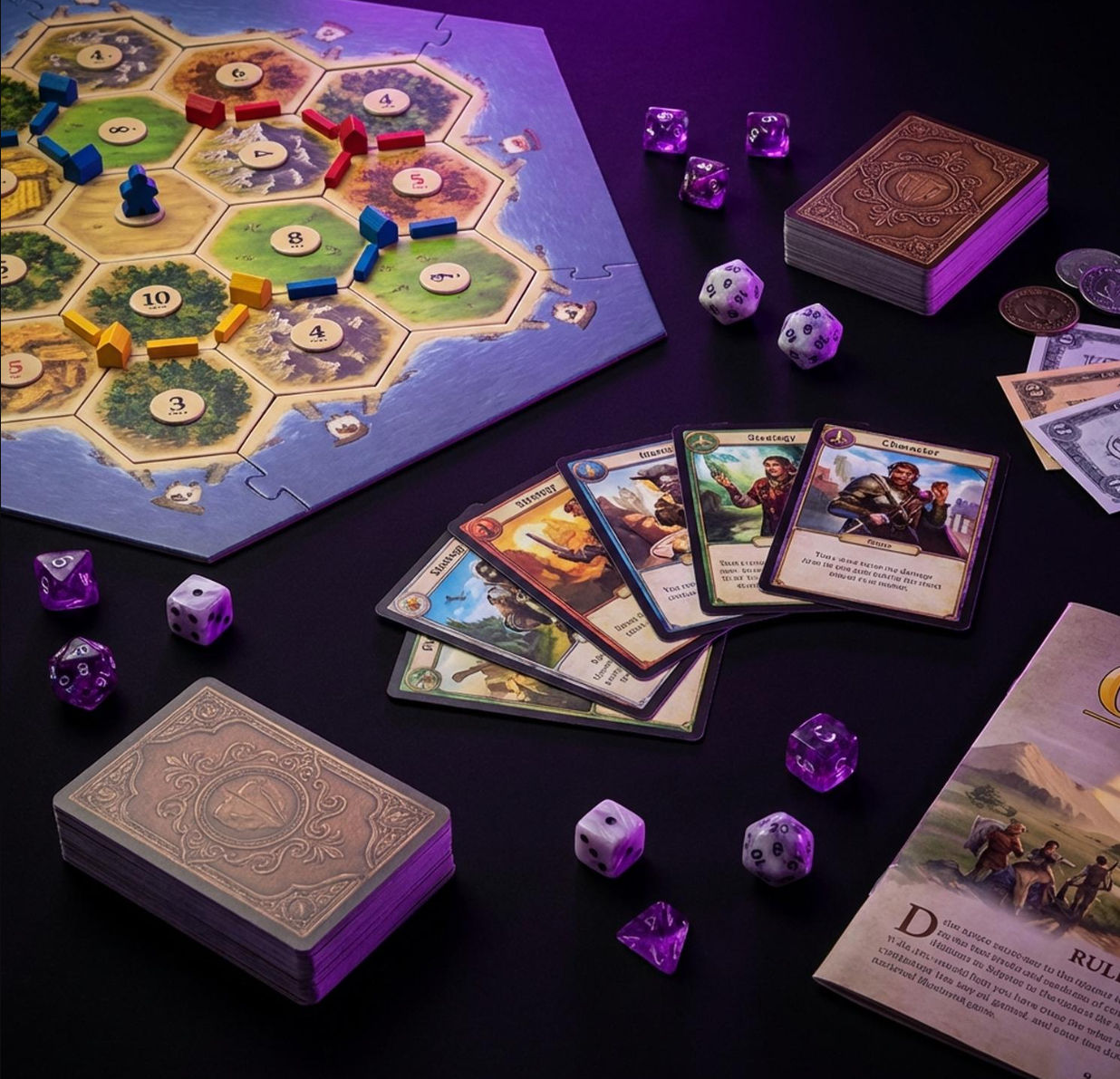
Game Cards and Playing Cards
Game cards are handled frequently, shuffled, sorted, and sometimes stored in boxes for repeated use. The paper material should provide suitable stiffness, a comfortable handling experience, and consistent printing quality.
For game card projects, consider:
Card thickness and stiffness
Clear text, illustrations, and symbols
Consistent colors across the complete deck
Surface finish and handling experience
Card dimensions and packaging requirements
Custom paper game cards can be developed for board games, family games, strategy games, educational activities, and promotional games.
Educational and Learning Cards
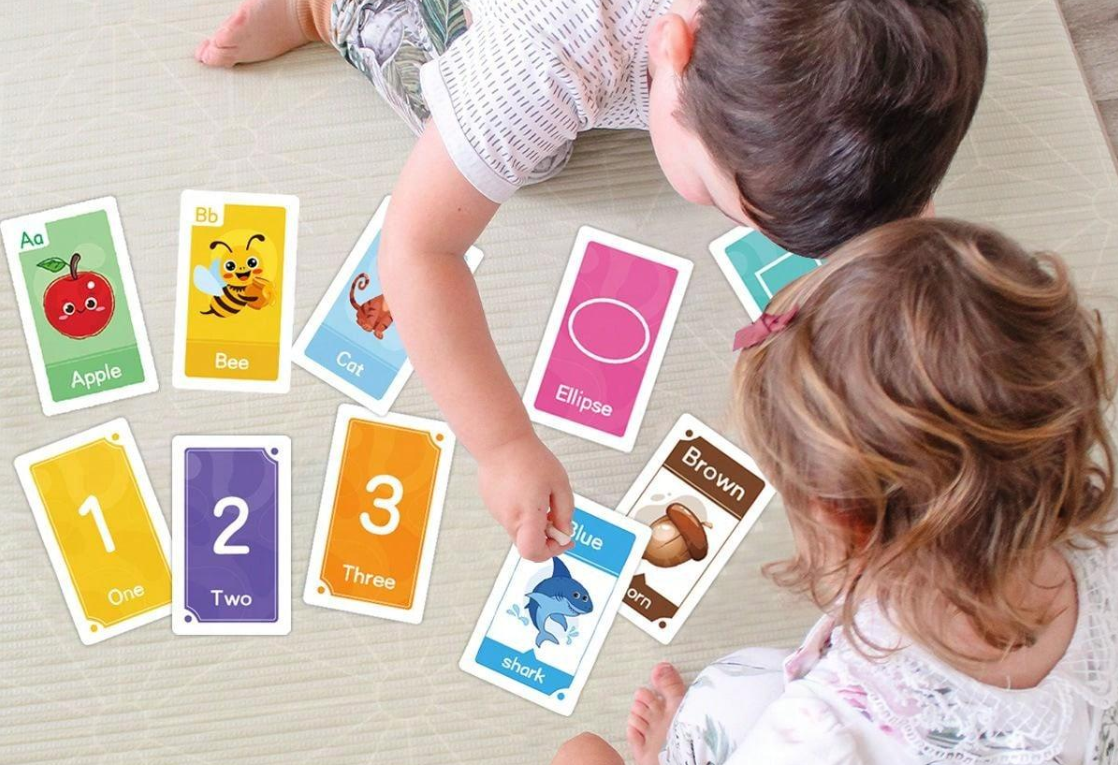
Educational cards often rely on clear text, recognizable illustrations, and easy-to-understand layouts.
Vocabulary cards, flash cards, teaching materials, and children's learning cards can use different colors, images, numbers, and symbols to support specific learning objectives.
For these products, legibility, practical handling, and suitable paper stiffness are particularly important.
Retail Gift Cards
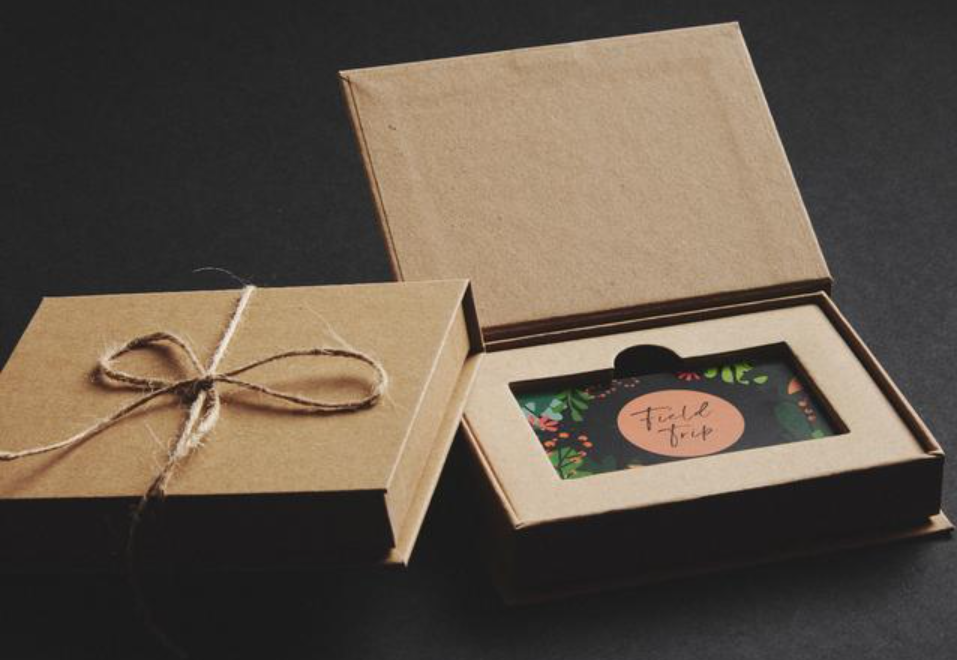
Gift cards are part of the customer experience and can help reinforce a brand's visual identity.
Custom paper gift cards can be designed for retail stores, restaurants, cafés, hotels, lifestyle brands, and entertainment businesses.
Important considerations include:
Brand logo and color consistency
Attractive printing and finishing
QR codes or barcodes for redemption systems
Serial numbers or unique promotional codes
Compatibility with card holders and packaging
Promotional and Event Cards
Paper cards can also be used for exhibitions, product launches, seasonal promotions, corporate events, and marketing campaigns.
QR codes can connect printed materials to websites, campaign pages, digital catalogs, or promotional information. This allows a physical card to support both offline and online marketing activities.
2. Choose the Right Paper Material
Paper selection influences the card's appearance, printing performance, stiffness, and environmental characteristics. The best option depends on the product design and intended use.
Recycled Paper
Recycled paper is worth considering for projects that aim to incorporate recovered paper fibers into their material choices.
It can be used for promotional cards, educational products, gift cards, and other paper-based applications. The actual appearance and printing performance depend on the selected paper grade and its surface characteristics.
Before mass production, request a sample to evaluate color reproduction, surface smoothness, and stiffness.
FSC-Certified Paper
For brands with responsible sourcing requirements, FSC-certified paper may be an appropriate option, subject to the availability of suitable materials and supporting documentation.
Businesses should confirm the applicable certification requirements with their supplier before placing an order, especially when certification claims need to appear on the finished product or its packaging.
Kraft Paper
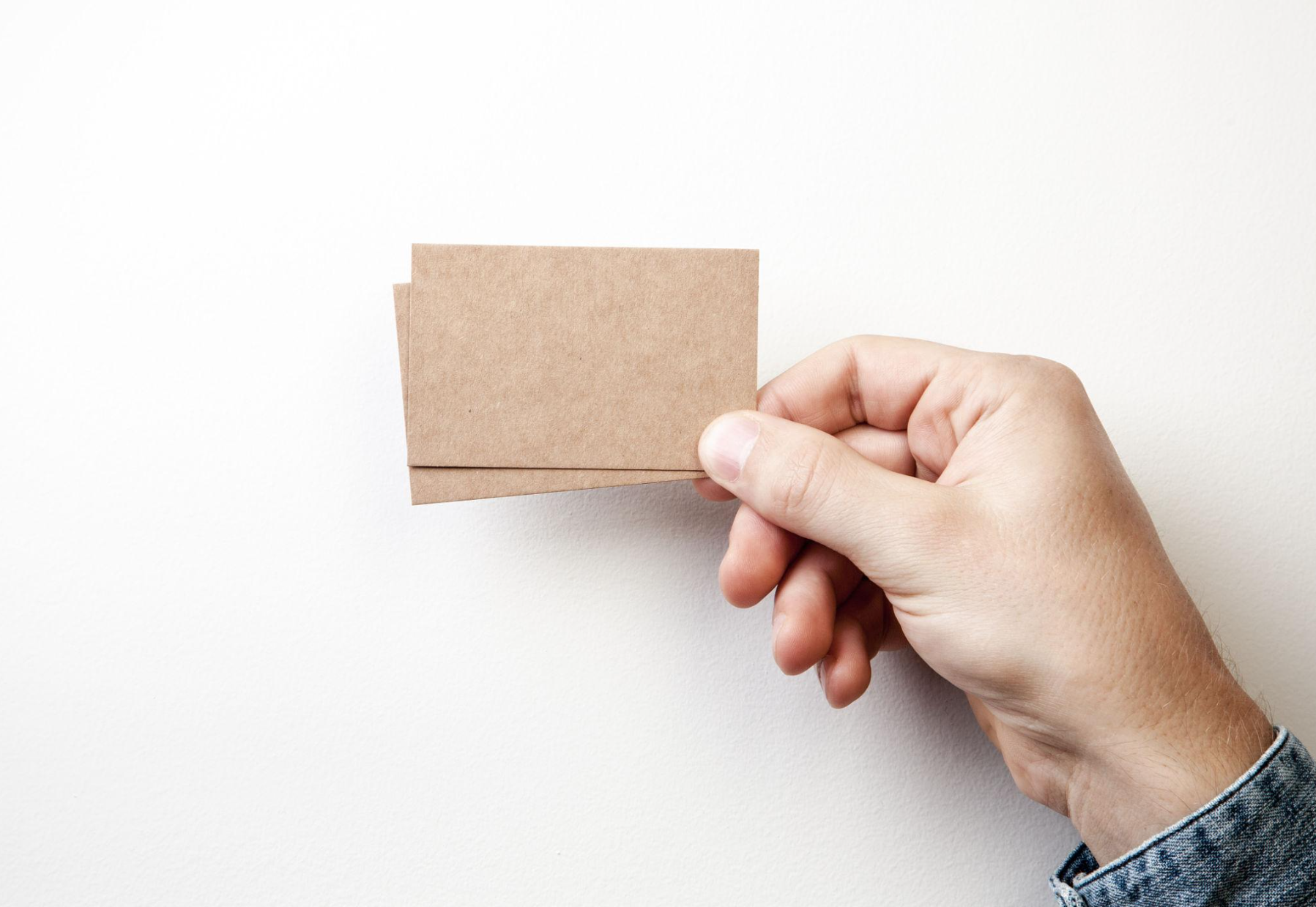
Kraft paper offers a natural, understated appearance. It is suitable for brands that prefer an earthy visual style, including handmade product businesses, independent retailers, creative brands, and selected promotional campaigns.
Because kraft paper typically has a different base color from white paper, artwork and printed colors may look different. Sample testing helps determine whether the material matches the intended design.
Coated and Specialty Paper
Coated paper and specialty paper can be considered when a project requires specific printing characteristics, textures, or a more distinctive presentation.
The final choice should balance the desired appearance with practical handling, production requirements, cost, and the project's sustainability objectives.
For a broader range of options, XINHEBAO offers customized paper card solutions using recycled paper, FSC-certified paper, kraft paper, and other suitable paper materials.
3. Select the Appropriate Paper Weight
Paper weight is another important factor when customizing game cards and gift cards.
XINHEBAO supports paper card specifications of approximately 250–800 gsm, depending on the material and product construction.
GSM means grams per square meter. It indicates the weight of the paper, but it does not directly determine the finished card's exact thickness. Stiffness also depends on the paper type, construction, and any additional finishing.
When selecting paper weight, consider the following:
Application | Key Considerations |
|---|---|
Educational flash cards | Readability, practical handling, and suitable stiffness |
Game cards | Shuffling, repeated handling, and consistent card feel |
Retail gift cards | Appearance, rigidity, and compatibility with packaging |
Promotional cards | Printing requirements, budget, and campaign duration |
Premium presentation cards | Material texture, stiffness, and finishing options |
These are general selection guidelines rather than fixed weight requirements. The most suitable specification should be confirmed through sample evaluation.
Choosing an appropriate paper weight helps balance product quality, functionality, material consumption, and manufacturing cost.
4. Choose the Right Printing Method and Customization
Printing is central to the visual quality of custom paper cards. Detailed artwork, brand colors, text, and variable information must be reproduced clearly and consistently.
CMYK Full-Color Printing
CMYK printing is suitable for colorful illustrations, photographs, product graphics, logos, and promotional designs.
It is commonly considered for game card decks, educational cards, retail gift cards, and marketing materials featuring multiple colors.
Pantone Color Printing
Pantone color matching can be useful when consistent brand colors are particularly important.
For projects involving corporate branding or repeated production batches, confirm the target colors and evaluate a printed sample before mass production.
Personalized Information
Paper game cards and gift cards can incorporate information that varies from one card to another, including:
QR codes
Barcodes
Serial numbers
Promotional codes
Membership numbers
Other approved variable data
For gift cards, QR codes and barcodes should be tested with the intended scanning or redemption system. Adequate contrast, correct data encoding, and sufficient clear space around the code are important for reliable scanning.
If every card requires unique information, prepare the data in an agreed format and confirm the numbering sequence and data accuracy before production.

5. Select a Suitable Surface Finish
Surface finishing can change the appearance and tactile experience of a paper card. The best option depends on the design, material, and intended application.
Matte Finish
Matte finishing creates a low-reflection appearance and a clean, understated look.
It can be suitable for educational cards, minimalist gift card designs, promotional cards, and professional branded products.
Glossy Finish
Glossy finishing can enhance color brightness and visual impact.
It is worth considering for colorful game cards, retail gift cards, product promotions, and designs featuring vibrant illustrations.
Soft-Touch Finish
Soft-touch finishing provides a smoother tactile experience and may be suitable for premium gift cards and selected branded products.
Its compatibility with the chosen paper and the project's environmental requirements should be confirmed before production.
UV Coating
UV coating can emphasize selected graphics or provide additional surface protection, depending on the application and coating specification.
Spot UV may also be considered when a design needs contrast between coated and uncoated areas.
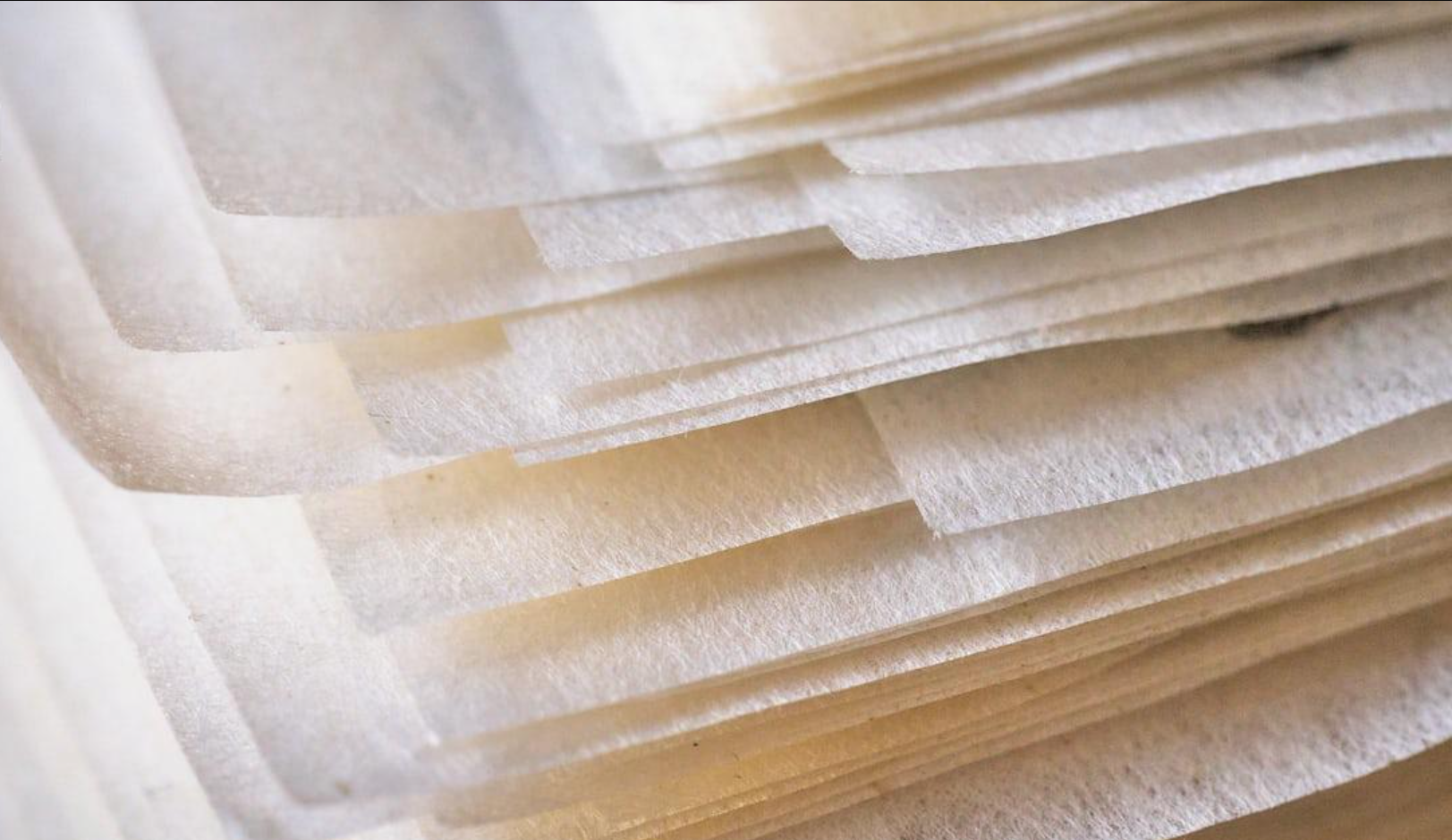
Important: A paper-based card is not automatically recyclable in every situation. Coatings, laminations, adhesives, and other components can affect recyclability. If environmental performance is a priority, confirm the complete material construction and check whether it is compatible with the intended local recycling system.
6. Consider Size、Shape、and Packaging
Card dimensions and packaging should be planned together rather than treated as separate decisions.
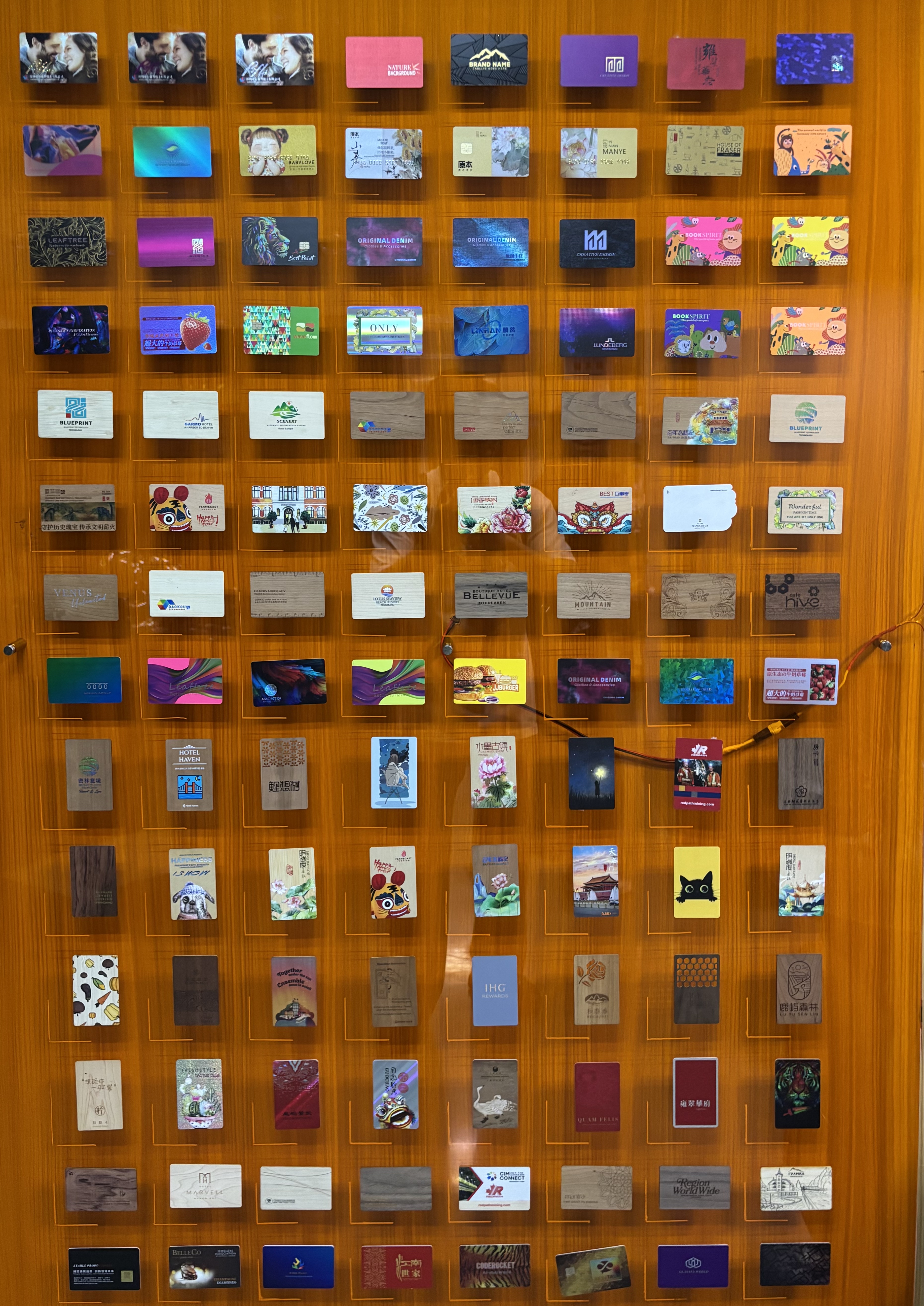
Standard rectangular cards are suitable for many game and gift card applications. Custom sizes, square cards, round cards, and selected die-cut shapes may also be considered, depending on the product design and production requirements.
Before confirming the specifications, evaluate:
Finished card dimensions
Corner shape and cutting requirements
Number of cards per deck or set
Packaging dimensions
Storage and transportation requirements
Retail display or distribution needs
Game card projects may require a box or sleeve that keeps the complete set organized. Gift card projects may need an envelope, holder, or customized package to complement the brand presentation.
When the cards and packaging are designed together, it is easier to create a consistent finished product and confirm the overall production requirements.
7. How to Prepare for Custom Paper Card Production
A clear project specification helps reduce misunderstandings and makes quotation, sampling, and production planning more efficient.
Before contacting a paper card manufacturer, prepare the following information:
Artwork: Provide the card design, logo, text, illustrations, and any required dielines.
Application: Explain whether the cards will be used for games, education, retail gift programs, promotional campaigns, or another purpose.
Material: Specify your preferred paper type, such as recycled paper, FSC-certified paper, kraft paper, or another available material.
Dimensions and weight: Confirm the card size, shape, and target paper weight where known.
Printing and finishing: Identify CMYK or Pantone requirements and any preferred surface treatment.
Variable information: State whether QR codes, barcodes, serial numbers, or other personalized data are required.
Quantity and packaging: Provide the estimated order quantity and packaging requirements.
Sampling: Request samples when you need to assess material feel, color reproduction, finishing, or scanning performance before approving a bulk order.
Not every specification must be finalized at the beginning. An experienced manufacturer can help review the requirements and recommend suitable options for further evaluation.
8. Quality Control for Consistent Production
For commercial card projects, consistency matters just as much as the initial design.
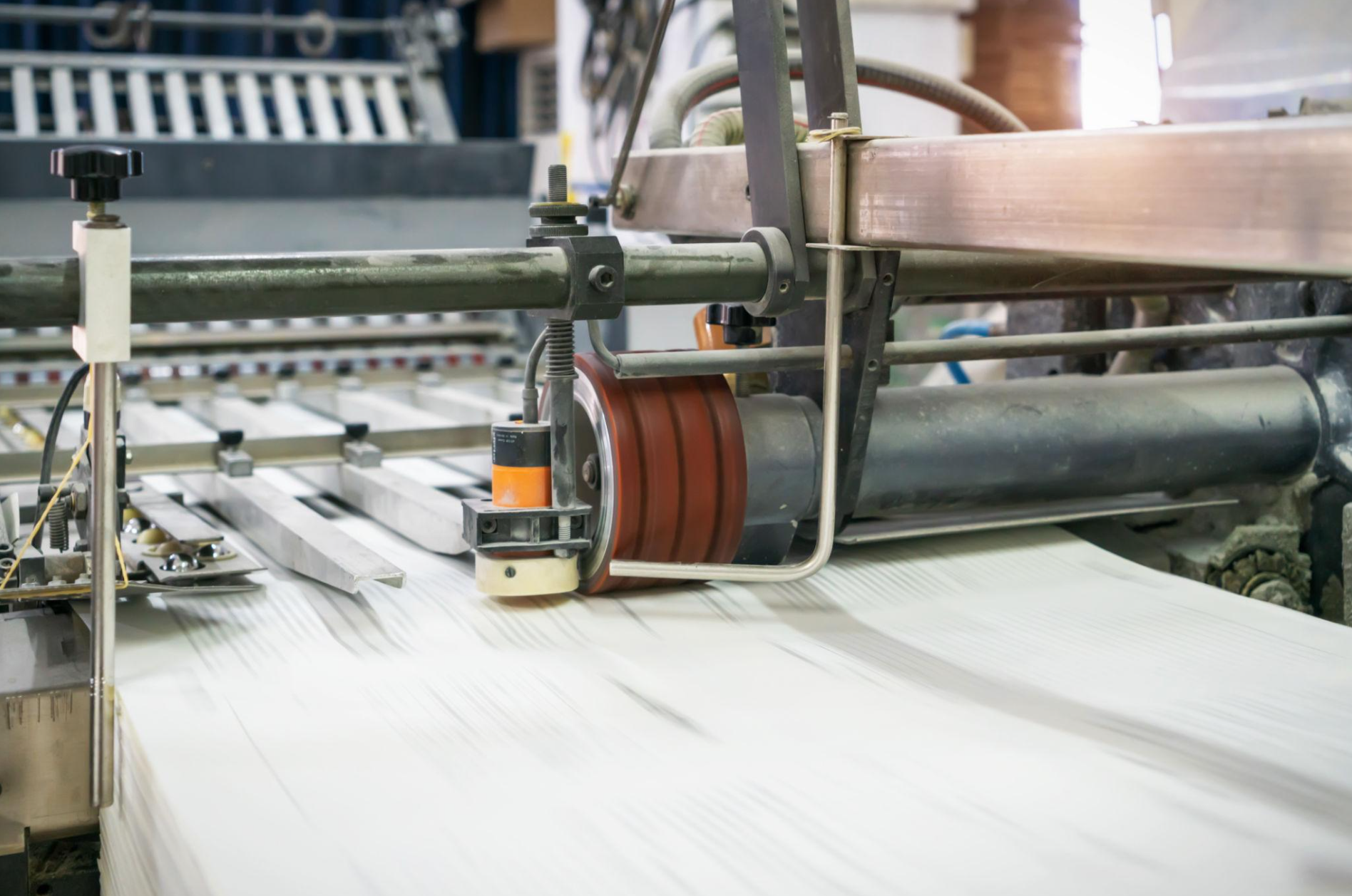
A practical quality control process may include material inspection, printing checks, color evaluation, dimension checks, surface finish inspection, personalized data verification, and final packaging inspection.
For game cards, inspection should pay particular attention to card dimensions, cutting consistency, print alignment, and color uniformity across the deck.
For gift cards, businesses may also need to verify QR codes, barcodes, serial numbers, and other redemption-related information.
A sample approval process can help establish the expected material, color, dimensions, and finish before mass production begins.
9. Why Choose XINHEBAO for Custom Paper Game Cards and Gift Cards?
XINHEBAO provides customized paper card manufacturing solutions for businesses seeking flexible specifications and professional printing.
Our available options include:
Multiple paper choices: Recycled paper, FSC-certified paper, kraft paper, and specialty paper options
Flexible paper weight: Approximately 250–800 gsm, subject to material and construction
Custom printing: CMYK full-color and Pantone color printing
Flexible specifications: Standard sizes, customized dimensions, and selected custom shapes
Personalization: Logos, artwork, QR codes, barcodes, serial numbers, and variable data
Surface finishes: Matte, glossy, soft-touch, and selected UV finishes, subject to material compatibility
OEM and bulk production: Manufacturing solutions tailored to project requirements
Sample support: Samples for evaluating materials, printing, and finishing before mass production
Whether you are developing a new card game, sourcing gift cards for a retail chain, or preparing printed cards for a marketing campaign, XINHEBAO can help evaluate suitable specifications for your project.
Frequently Asked Questions
Q1: Are paper gift cards a more environmentally friendly alternative to plastic gift cards?
Paper gift cards can be a suitable option for projects seeking paper-based materials, including recycled paper or appropriately sourced paper. However, the overall environmental impact depends on material sourcing, coatings, production, packaging, product lifespan, and end-of-life disposal. Select materials and finishes according to your project's specific requirements.
Q2: What paper weight is suitable for custom game cards?
The appropriate weight depends on the desired stiffness, handling experience, card construction, and intended use. XINHEBAO supports approximately 250–800 gsm paper specifications, depending on the project. Sampling is recommended to evaluate the finished card before confirming production.
Q3: Can custom paper gift cards include QR codes and barcodes?
Yes. QR codes, barcodes, serial numbers, and other variable data can be incorporated according to project requirements. The final artwork and data should be checked, and the codes should be tested with the intended scanning or redemption system.
Q4: Can I customize the card size, printing, and surface finish?
Yes. Card dimensions, paper materials, printing, and available finishing options can be customized according to the design and production requirements. Some finishes may not be compatible with every paper material, so confirm the specifications before placing a bulk order.
Q5: Can I request a sample before mass production?
Sample production can help you evaluate paper quality, stiffness, color reproduction, finishing, and overall appearance. Confirm sample availability and specifications with XINHEBAO before proceeding with a bulk order.

Conclusion
Choosing the right custom paper game cards or gift cards requires a balance between appearance, functionality, material selection, printing quality, and production requirements.
By defining the application first and then evaluating paper type, GSM, printing, finishing, personalization, and packaging, businesses can develop cards that better match their brand identity and intended use.
For projects with environmental goals, it is equally important to assess the complete card construction instead of relying on the paper material alone.
XINHEBAO supports customized paper game cards, paper gift cards, promotional cards, and other paper-based card projects with flexible specifications, printing options, sampling, and bulk manufacturing.
Looking for a reliable custom paper card manufacturer? Visit our Eco-Friendly Custom Paper Game Cards & Gift Cards product page and contact XINHEBAO with your artwork, card specifications, estimated quantity, and customization requirements to discuss a suitable solution and request a quotation.